
PAID ACQUISITION / LIFE SCIENCES
PPC & LLM Paid Ads for Biotech, Pharma and CROs
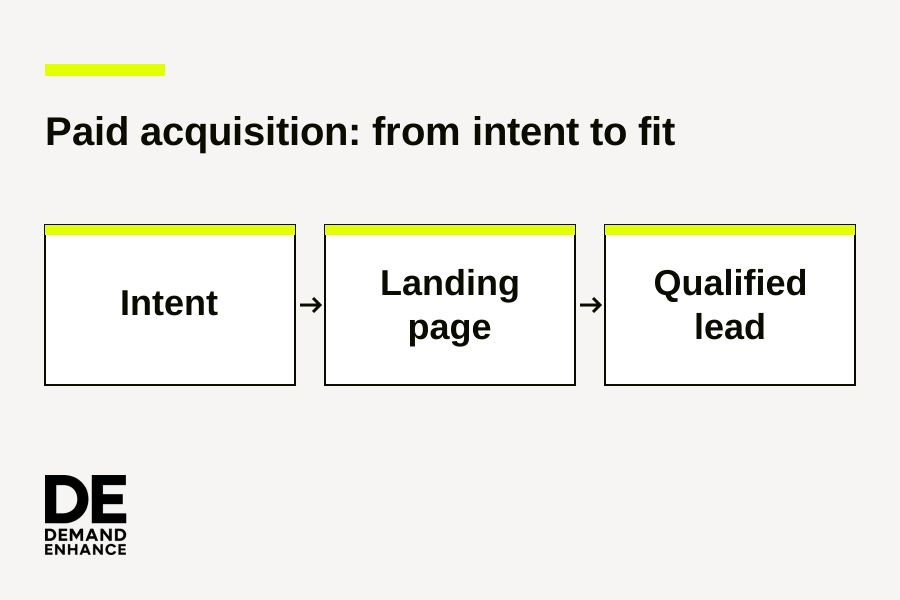
Put paid media behind a defined opportunity. Plan campaigns around buyer intent, a relevant destination and the sales outcome your team needs to assess.
For marketing and commercial teams at biotech and pharma companies, contract research organizations (CROs) and contract development and manufacturing organizations (CDMOs) selling to professional and sponsor audiences.
LLM paid ads are evaluated as a potential additional channel. Before recommending a test, we check available inventory, account and market eligibility, advertising formats, scientific-claim review and whether meaningful outcomes can be measured.
01 / CAPTURE
Meet active intent
Use paid search when buyers seek a service, platform or capability you can offer.
02 / REACH
Reach the relevant buying group
Use professional targeting when roles or organizations are identifiable at a usable scale.
03 / QUALIFY
Learn from commercial outcomes
Judge campaigns by agreed lead quality and progression wherever reliable web and CRM data make that possible.
Choose paid media for the buying motion
Define the offer, audience, market and sales action before scaling spend. Niche markets may have limited search demand, multiple stakeholders and long evaluations, so channel choice should follow the buying motion.

Capture demand that already exists
Google Search can help when buyers seek a service, platform or specialized capability. Keyword research and query review separate commercial intent from broad scientific interest, employment searches and unrelated consumer traffic.
Reach a defined professional audience
LinkedIn can target relevant functions, seniority, roles or organizations. Check audience size first: a handful of titles or accounts may constrain delivery and learning.
Support a longer evaluation
Retargeting can return eligible visitors to capability pages or useful next steps during vendor evaluation, subject to consent, platform rules and audience size. Consider Display or Meta only when the audience and objective justify them.
A campaign plan built around fit and follow-through
Connect campaign structure to the landing page and sales handoff. Scope one service line or a wider program around evidence and available measurement.

Intent, campaigns and exclusions
Group campaigns by service, application, buyer intent and market. Match keyword groups and ad messages to the capability under evaluation; add negative keywords and exclusions, then review search terms before expanding.
Professional and account audiences
Map buying groups to available signals such as function, role, seniority or organization. Use LinkedIn where those attributes support a useful test. Retarget only when audience rules, consent and minimum sizes allow.
Landing-page alignment and conversion improvement
Match the landing page to the service or capability in the ad. Clarify technical context, evidence, forms and calls to action. Use page behavior and lead feedback to identify friction, testing focused changes where traffic supports comparison.
Platform and market preflight
Review the campaign, creative and destination against relevant platform requirements and market restrictions. Coordinate with client-designated scientific, legal, regulatory or privacy reviewers as needed. This is a campaign-specific preflight, not legal advice or blanket compliance certification.
From opportunity definition to qualified pipeline learning
Start with a commercial question and connect campaign learning to the people who qualify and develop leads.
01 / Define the opportunity
Clarify the offer, priority markets, target organizations and buying roles. Review buyer searches, the sales team's definition of a viable inquiry, available landing pages and what happens after contact. Agree the first campaign's objective and constraints.
02 / Select the channel and build the test
Choose search, LinkedIn or a combination based on intent, reach and evaluation needs. Build campaigns, keywords, exclusions, targeting, creative and landing pages around a testable hypothesis. Set scope to available budget and audience; no preset spend or lead volume fits every niche.
03 / Complete campaign and destination review
Check targeting, messages, links, forms, tracking and settings. The client designates scientific, market, privacy and other required reviewers. Resolve questions for the actual destination and audience; one review may not cover every market or channel.
04 / Optimize from lead and sales feedback
Review queries, audience delivery, page behavior and conversion records against agreed CRM stages. Refine spend, exclusions, targeting and pages based on fit and progression. Separate platform credit from CRM outcomes and document gaps in the connection.
Measure quality beyond the form submission
Give marketing and commercial teams a shared definition of a response and its next step. Define lead stages, then use the strongest reliable data connection available.
Cost per agreed qualified lead
Agree qualification with sales: company fit, relevant need and an accepted next step, for example. Report cost against that definition where records can be matched. A form fill or click is not proof of lead quality.
Progression through the buying process
Track inquiries accepted, qualified and advanced to opportunity, with account fit and service interest where the CRM captures them. For CRO/CDMO work, this helps distinguish sponsor relevance from general traffic. Interpret small samples carefully; no fixed lead volume is promised.
Traceable campaign and pipeline signals
Review GTM, GA4 and ad-platform events, then connect campaign identifiers to CRM stages where setup, consent and data quality permit. Supported offline outcomes may inform platform learning. Agree the CRM source of truth and reporting rules before describing sourced or influenced pipeline.
Attribution allocates credit under set rules; it does not prove advertising caused an opportunity. Platform, analytics and CRM totals may differ by identifier, window and definition.
Paid works best when the offer is clear across channels
Paid can capture demand and test reach. SEO & AI Search Marketing build organic discovery, AI Search Marketing examines brand representation in AI-assisted answers, and Reputation Management develops evidence buyers may review. Connect scopes when the offer, audience and measurement plan justify it.
Plan paid acquisition with the wider buying journey in view
Explore channel choice and coordination for technical biotech, pharma and CRO markets.
Compare organic search and PPC for biotech and CRO vendors
Compare intent, investment horizon and when a paid test may complement organic work.
Connect search and LinkedIn around lead generation
See how paid search, LinkedIn and organic discovery can support a B2B acquisition path.
Paid acquisition questions from biotech, pharma and CRO teams
Campaign choices depend on the offer, market and data available.
Can PPC work when a specialist market has low search volume?
It can when high-intent searches represent meaningful opportunities and a relevant page is ready. Assess query demand, market and service value first. If search cannot support a test, consider professional-audience campaigns or another channel. Low volume makes measurement slower and less certain.
How should a biotech or CRO choose between SEO and paid acquisition?
Use buyer demand and the readiness of the offer to guide the choice. Google Search can capture existing service intent; LinkedIn can reach a defined professional buying group where audience size supports delivery. SEO builds useful capability content and durable organic access. Budget should follow the commercial bottleneck, landing-page readiness and lead-quality feedback, rather than a fixed channel split. With limited demand, a focused test may be more useful than scaling spend.
How can paid acquisition support a contract research organization or CDMO?
Promote substantiated sponsor-facing services, technical capabilities, platforms and markets. Match each intent to a page explaining scope and evidence, then agree which account and contact traits make an inquiry sales-relevant. This is B2B sponsor acquisition, distinct from patient or HCP product promotion.
Can you target named accounts and professional roles?
Platforms may offer targeting by company, function, seniority or role. Check reach before setting creative and budget; a narrow list can be too small to serve or interpret. Use first-party lists only when permissions, consent and platform eligibility support the use.
How do you define a qualified lead in a long sales cycle?
Agree a definition before launch covering account fit, relevant need, contact context and accepted next step. Where the CRM records those stages reliably, reporting can connect campaign responses with sales acceptance and opportunity progression.
Can you guarantee pharma advertising approval or a set number of leads?
No. Approval and lead volume depend on campaign, destination, market, audience, budget and platform decisions. A campaign-specific preflight can coordinate with client reviewers, but it does not replace legal or regulatory advice or guarantee approval, performance or qualified leads.
Make the next paid-media decision with the right evidence
Review the offer, market, campaigns and post-click data against how leads move into sales. Identify where paid search, professional targeting or retargeting fits and what to measure before expanding.
Review your paid acquisitionCampaign scope and outcomes depend on the offer, market, audience, budget, client review and available measurement data. This site is protected by reCAPTCHA and the Google Privacy Policy and Terms of Service apply.